Finance for Humans
Make Your Financial Life Bulletproof, With Help From John Goodman (?!)
What a great clip from a bad movie can teach you about money.
Wealthsimple makes powerful financial tools to help you grow and manage your money. Learn more
Every few months a clip from the otherwise justly forgotten 2014 movie The Gambler makes the rounds on social media, particularly in the hustler/entrepreneur community. A loan shark named Frank (John Goodman) explains to a gambler named Jim (Mark Wahlberg) that he should build a financial “fortress of solitude” from which he can basically live his life without worrying about money. While it’s not airtight advice, Frank does make a few good points. We took it line by line.
You get up $2.5 million, any a**hole in the world knows what to do.
Frank starts out the same way an advisor who’s never broken anyone’s knees might: by giving Jim a target. If you can save $2.5 million, he says, you can cover your big needs and have plenty left to live off of. The basic advice on saving toward a target is good. Unlike market returns, you actually have control over how much you save. But before you get to that, a good rule of thumb has always been to first pay off any high-interest debt — few investments can earn you more than the 20% you might pay on credit card balances — and build an emergency fund to help avoid needing to go back into debt. Then you can think about aiming for that $2.5 million (or whatever your goal for retirement is).
You get a house with a 25-year roof …
This one is tricky. Frank suggests getting a home where the major upkeep was recently done in order to limit operating costs, but real estate isn’t the world’s most reliable investment, and it’s expected to grow less than stocks and other assets in the years ahead.
… an indestructible [Japanese]-economy sh*tbox …
He’s onto something here: cars are depreciating assets, so from a financial perspective, the best car to buy is one that will cost you as little as possible over the longest period possible. And, according to a recent Consumer Reports study, the auto brand that best combines low repair costs and high reliability is … Toyota.
You put the rest into the system at 3% to 5% to pay your taxes, and that’s your base, get me?
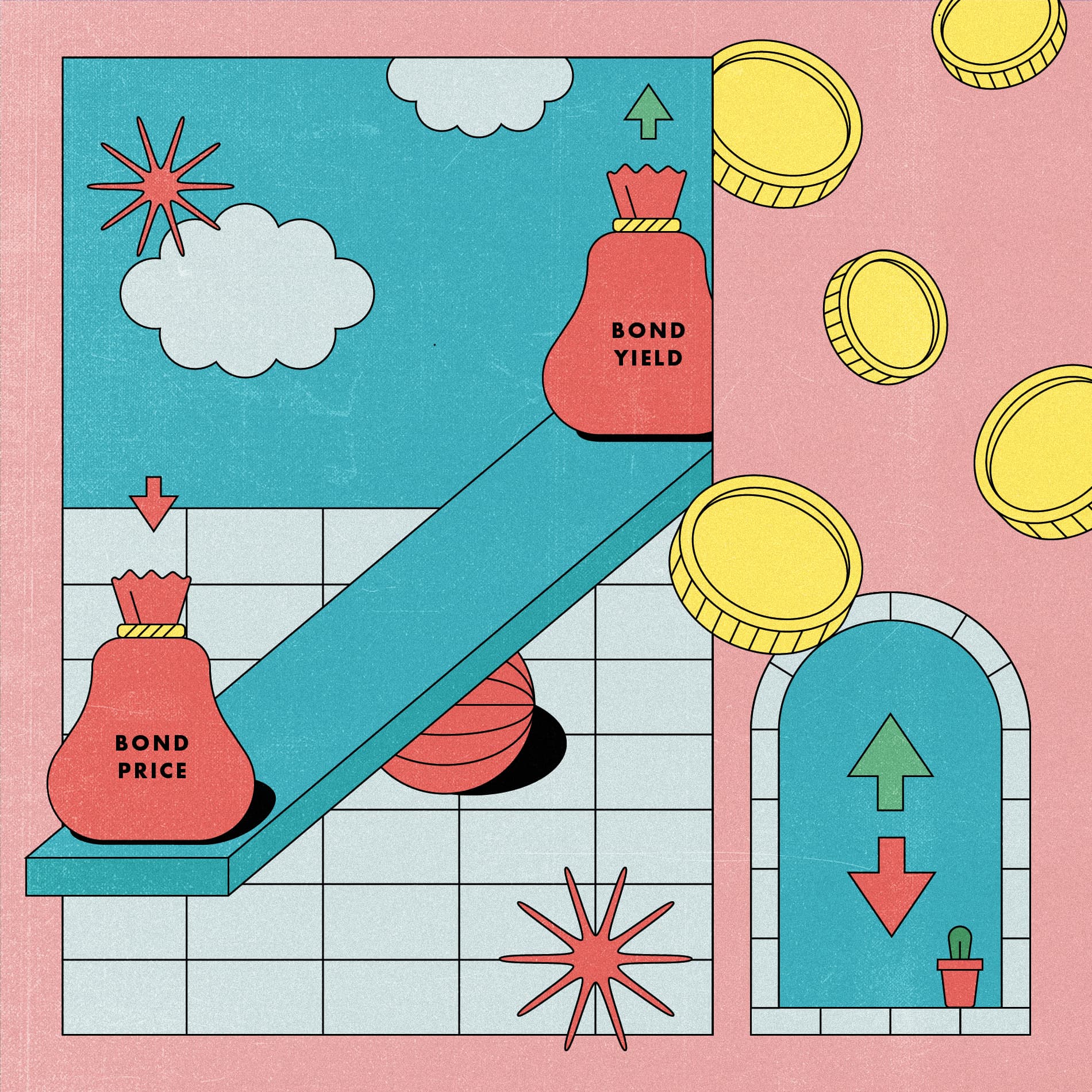
Frank’s next move is a conservative one: take the remaining money and invest it in something that’ll allow you to live off the yield. Not a terrible idea if you’re close to retirement and want to play it safe; right now, you can get a 5%-plus yield on low-risk GICs and government bonds. But for anyone who’s not picking their shoes based on how well they accommodate bunions, pro investors (like the late David Swensen, Yale’s longtime chief investment officer) advise a more diversified, equity-heavy portfolio. Not only has it historically yielded 7% to 10% annual returns, but many of us don’t know when we’ll need our money, so it’s important to balance our hopes of earning a lot (through the riskier stuff like stocks) with the need to earn consistently (by spreading your money around).
That’s your fortress of f*ckin’ solitude. That puts you, for the rest of your life, at a level of f*ck you. Somebody wants you to do something, f*ck you. Boss pisses you off, f*ck you! Own your house. Have a couple bucks in the bank. Don’t drink. That’s all I have to say to anybody on any social level.
It’s mostly outside the scope of a financial newsletter to tell you whether or not to drink, and you may want to choose a slightly less aggressive way to respond to perceived slights, but Frank’s advice ultimately boils down to saving money and anticipating potential expenses. Not bad! You won’t have to borrow money from credit card companies (or loan sharks) if life surprises you or stay in a job you don’t like just for the paycheque. And who could argue with that?

Written By
Ben Mathis-Lilley
Ben Mathis-Lilley is a senior writer for Slate.com and the author ofThe Hot Seat: A Year of Outrage, Pride, and Occasional Games of College Football. He's also written for BuzzFeed and New York magazine.